

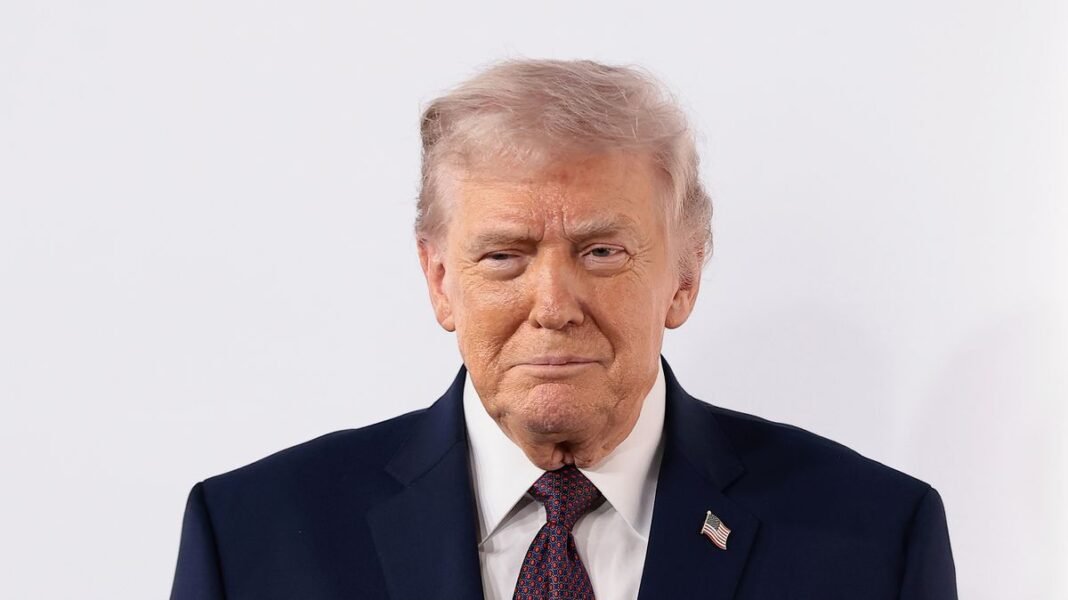

The daily expense of maintaining the US carrier strike force near Iran has surpassed £6 million and continues to climb with additional military resources arriving in the area. The escalating preparations for potential conflict with Iran pose a significant financial burden and also carry political risks for US President Donald Trump. Alongside the deployment of USS Abraham Lincoln’s F-35 and Super Hornet aircraft, F-15 squadrons and stealth bombers have been deployed to the Middle East.
A substantial number of US troops in the region are on high alert, and Israel is preparing for potential retaliation from Iran, evident in its recent attacks on Hezbollah in southern Lebanon. Despite ongoing negotiations, the trajectory appears to be moving towards military confrontation, although Trump’s ultimate intentions remain unclear. The possibility of limited strikes or no action at all hinges on Iran providing assurances of abandoning its nuclear aspirations, a commitment the regime seems unwilling to make.
Trump’s evolving stance, from making aggressive remarks towards the Iranian regime to seeking diplomatic engagement on nuclear issues, underscores the complexities of the situation. Balancing support for protesters with strategic airstrikes without fueling anti-US sentiments presents a delicate challenge. Questions loom over the effectiveness of previous military actions against Iran’s nuclear facilities and the feasibility of regime change given internal security dynamics.
As tensions mount and military presence in the region intensifies, Trump faces a pivotal decision on the prospect of war, with significant resources already deployed. While Iran signals a willingness to negotiate, the regime’s ability to meet US demands on nuclear ambitions and protester treatment remains uncertain, prolonging the risk of conflict. Failure to secure necessary commitments from Iran could lead to a significant policy reversal for Trump and potentially compel a military response, the scale of which remains uncertain.