

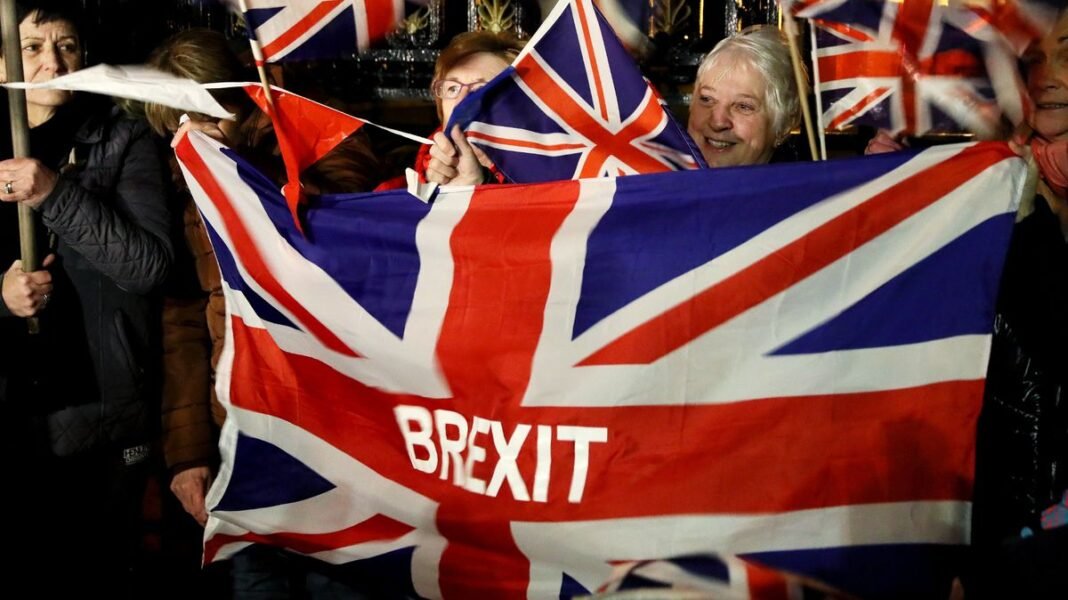

On the occasion of Brexit’s sixth anniversary, it is evident that the decision to leave the European Union has resulted in significant economic, political, and social repercussions for Britain. The aftermath of this move has led to a substantial economic loss estimated at £140 billion, as highlighted by the European Movement.
In the current global landscape, with challenges posed by a hostile administration in the US, the rise of authoritarian powers such as China, and the importance of collaboration with European allies for economic prosperity, the idea of rejoining the EU is gaining traction. Opposition leader Keir Starmer has been vocal about the benefits of realigning with Europe, especially in light of unfavorable actions from figures like Donald Trump.
There is growing support, both within the government and among the public, for dismantling trade barriers and potentially revisiting the terms of Brexit. The shift in public opinion towards regret over Brexit decisions is evident, with a resurgence of interest in rejoining the EU.
Embracing a pro-European stance not only aligns with the future direction of Britain but also serves as a strategic move to safeguard against attacks from rival political parties. Despite past commitments to stay out of certain EU arrangements, a shift towards a more favorable stance on Europe could be on the horizon, positioning Labour for a stronger electoral stance in the future.
The narrative of Brexit being a failed endeavor continues to gain momentum, with calls for acknowledging the economic damage caused and the necessity of reintegration with the EU. It is essential to recognize the true implications of Brexit and work towards rectifying its adverse effects.