

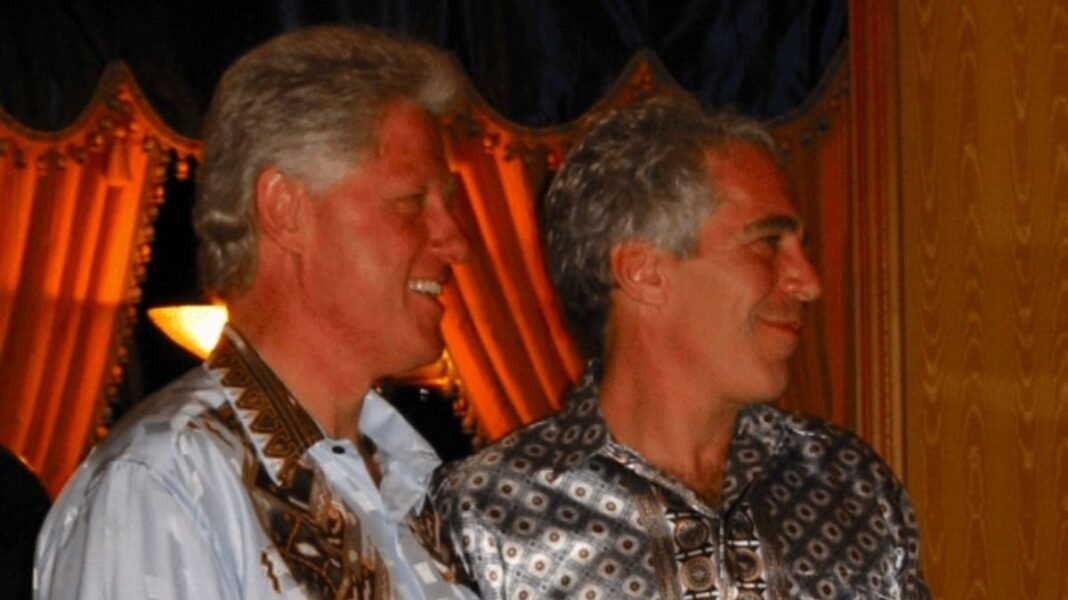

Bill and Hillary Clinton are facing contempt charges for their refusal to testify in a probe related to sex offender Jeffrey Epstein. The former US President and ex-Secretary of State, who were supposed to provide testimony this week, have stated that the efforts of a Republican-led committee are legally flawed. They made their decision clear by publicizing a letter indicating their non-compliance with subpoenas.
In response to the committee chairman, Republican representative James Comer, the Clintons expressed their belief that the process initiated against them was designed to lead to their imprisonment. They asserted their intent to vigorously defend themselves and criticized Comer for what they perceived as selective enforcement of subpoenas concerning Epstein-related testimonies.
Comer has announced plans to initiate contempt of Congress proceedings in the upcoming week. This move could potentially spark a complex and politically sensitive process seldom undertaken by Congress. While emphasizing that the Clintons are not accused of any misconduct, Comer explained that their presence was requested for questioning due to their significant interactions with Epstein. Despite Bill Clinton’s absence at a scheduled deposition, Comer underscored the importance of addressing lingering questions.
Although Bill Clinton has not faced any accusations of wrongdoing in connection with Epstein, his extensive friendship with the disgraced financier during the late 1990s and early 2000s has drawn attention. Republicans have highlighted this relationship as they seek further scrutiny into Epstein’s illicit activities. Epstein, who faced federal charges of sex trafficking and conspiracy before his death in 2019, has been a focal point of ongoing investigations.
In a letter dated January 12, legal representatives for the Clintons argued the invalidity and lack of relevance of the subpoenas issued to them. They contended that the subpoenas were primarily intended to harass and embarrass the Clintons rather than serve a legitimate legislative purpose. The Clintons reiterated their stance in a subsequent social media post, urging a focus on preventing heinous crimes like those committed by Epstein from recurring.
The ongoing situation involving the Clintons echoes past instances where former presidents voluntarily provided testimony to Congress without being compelled to do so. Notably, President Donald Trump faced a subpoena in 2022 but was not ultimately required to testify before the House committee investigating the January 6, 2021, Capitol riot involving his supporters. Trump’s legal team cited established legal precedents shielding ex-presidents from such mandates, leading to the withdrawal of the subpoena.
Comer clarified that the Oversight committee would not pursue compelling testimony from Trump regarding Epstein, citing the inability to force a sitting president to testify. Trump, like the Clintons, had a well-documented association with Epstein, which he severed prior to Epstein’s sexual abuse allegations coming to light.