

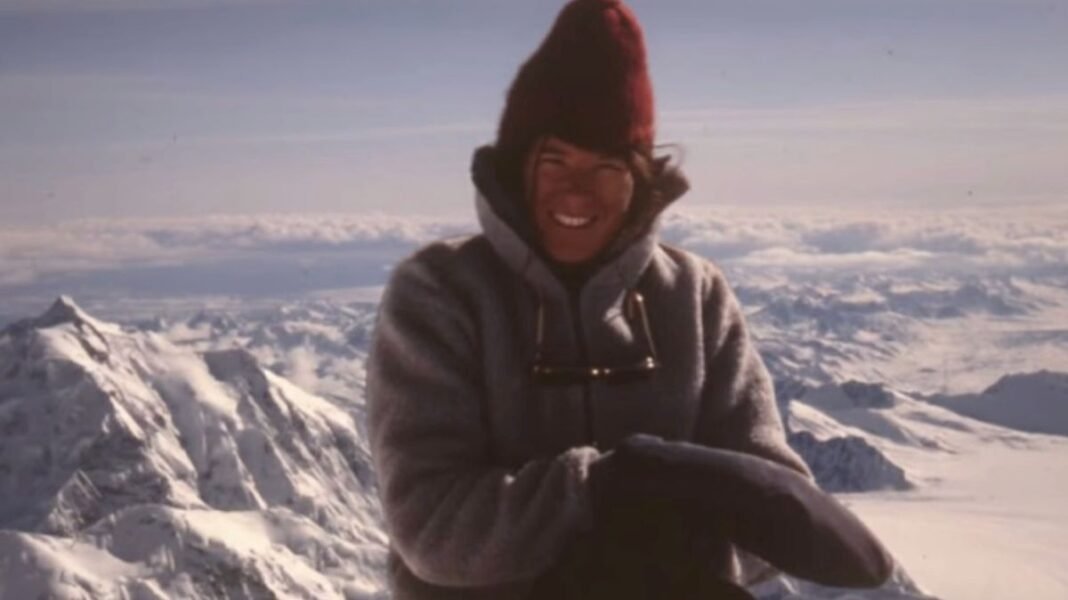

In 1982, Marty Hoey, a seasoned climber, joined an American expedition on Mount Everest’s North Face. Known for her expertise and experience, Hoey had conquered various challenging terrains like Denali, Pik Lenin, and Nanda Devi. Her solid judgment and calm demeanor were highly regarded among fellow climbers.
Tragedy struck on May 15, as Hoey, along with Jim Wickwire, was ascending toward Camp VI at approximately 26,000 feet. A mishap occurred when Hoey’s safety line came loose due to an unsecured harness buckle. Without being secured to the fixed rope, she tragically fell down the icy face of the couloir, and her body was never recovered.
Hoey’s untimely death deeply impacted the expedition team, leading to the abandonment of the summit attempt. She was considered a vital member, and her absence was keenly felt. The team leader, Lou Whittaker, believed that the outcome could have been different had Hoey survived.
At the time of her passing, Hoey was seen as a potential trailblazer to become the first American woman to summit Everest. However, her legacy was already cemented within the climbing community for her dedication and skill. Despite the tragic loss, she is remembered for her meticulous approach to climbing.
Following Hoey’s demise, two other climbers, Peter Boardman and Joe Tasker, lost their lives on Mount Everest while attempting the unclimbed North-East Ridge. Boardman’s body was recovered a decade later, but Tasker’s remains have yet to be found, adding another layer of sorrow to the mountain’s treacherous history.