

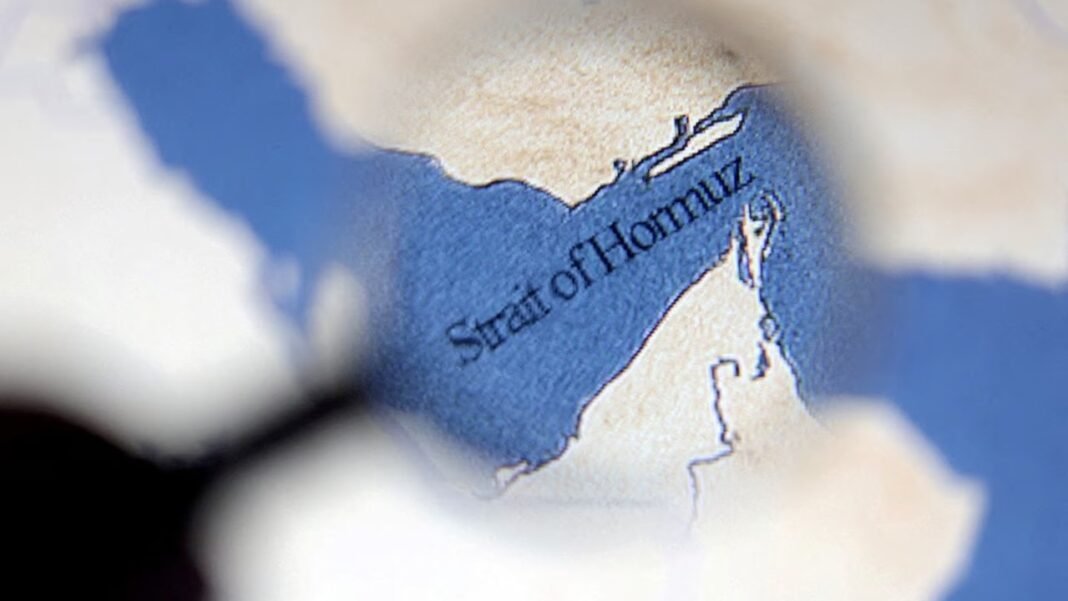

Oman and Iran have initiated direct discussions to address the escalating crisis in the Strait of Hormuz, which has been significantly impacted after joint US-Israeli strikes on October 28. Pressure is mounting on both nations to prevent prolonged disruptions in one of the world’s key oil passages.
The talks, confirmed by Oman’s Foreign Ministry, were held on April 4 at the deputy foreign minister level, with experts from both sides present. The primary focus was on identifying viable solutions to ensure safe navigation through the strait amidst ongoing regional tensions.
Oman stated that the meeting involved exploring potential strategies to facilitate smooth passage through the Strait of Hormuz given the current circumstances. Various suggestions and concepts were put forward by experts from both countries for further examination.
Iran recently mentioned its preparation of a draft protocol to regulate maritime navigation in the strait and expressed willingness to collaborate with Oman on establishing a joint framework to enhance the management of maritime traffic during the crisis.
Despite ongoing discussions, vessel movements in the strait remain limited. Reports citing shipping data indicate that a few Omani-associated ships, including oil tankers and a liquefied natural gas carrier, have navigated through the area using unconventional routes closer to the Omani coastline. While Iran has allowed selective transits, the overall flow of vessels remains severely restricted, leading to a significant backlog of ships awaiting clearance.
In a separate development, US President Donald Trump issued a stern warning to strike Iran’s power infrastructure and bridges if the strait remains closed to maritime traffic. The President’s provocative statement emphasized the critical role of the Strait of Hormuz in global energy transportation, underscoring the immediate impact of any disruptions on worldwide oil and gas supplies.
The bottleneck at the strait has already triggered market reactions, with energy prices exhibiting volatility and Asian nations reliant on imports exploring alternative supply channels to mitigate potential supply chain disruptions.