
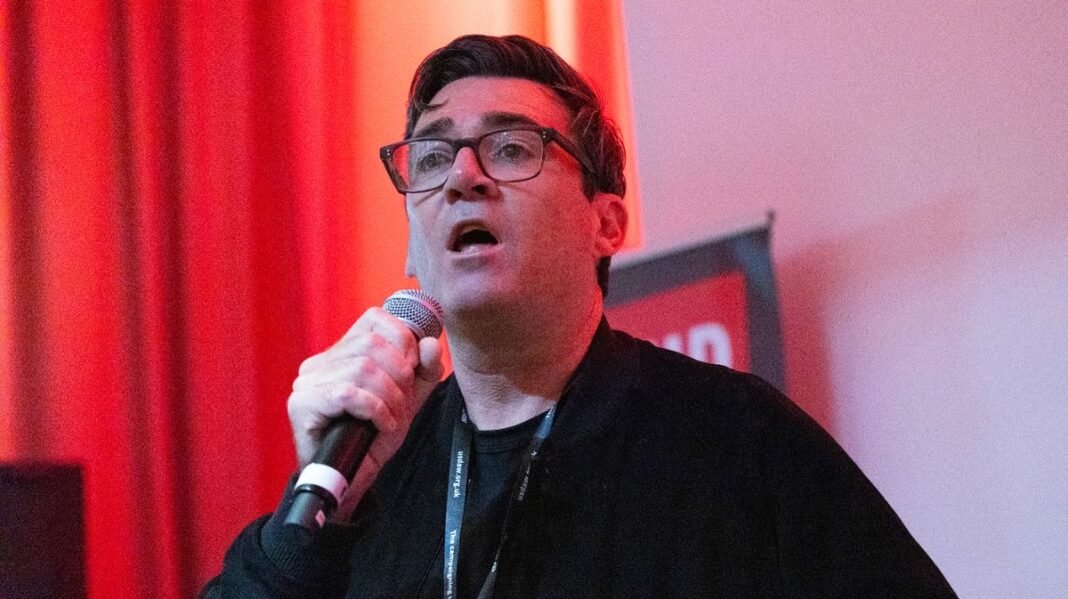

Andy Burnham’s aspirations to lead the Labour Party have been widely known. Dubbed the “King of the North,” Burnham has previously vied for the leadership in 2010 and 2015. Recently, he hinted at uncertain future prospects, stating, “I don’t know what the future will hold.”
Speculation has been rife since last summer about the Greater Manchester Mayor’s potential return to Westminster. Amid murmurs urging him to challenge the Prime Minister, Burnham’s remarks prior to the Labour conference stirred controversy and displeased Downing Street.
Despite being a formidable figure, Burnham faced a significant hurdle as a non-MP, prompting suspended Labour MP Andrew Gwynne to dismiss rumors of a pact to vacate his Gorton and Denton seat. Gwynne, who secured a notable victory in the 2024 election, asserted that the path to No10 did not run through his constituency.
However, in a recent development, Gwynne, suspended for offensive messages, announced his resignation, setting the stage for a by-election. This turn of events leaves Burnham with a crucial decision to make, potentially sacrificing his mayoralty for a shot at Parliament.
The National Executive Committee (NEC) will play a pivotal role in selecting a candidate for the Greater Manchester by-election, with potential challenges from Starmer loyalists. Any attempt by Burnham to contest the seat could spark internal discord within the party and face hurdles given Labour’s declining popularity nationally.
As opposition parties gear up for a competitive by-election, Reform UK and the Green Party, represented by Zack Polanski, are poised to challenge Labour’s stronghold. Polanski’s focus on expanding Green Party representation underscores the shifting political landscape in the region.
With decisions looming, Burnham faces a critical juncture in his political career, weighing the risks and rewards of a potential return to Westminster.