

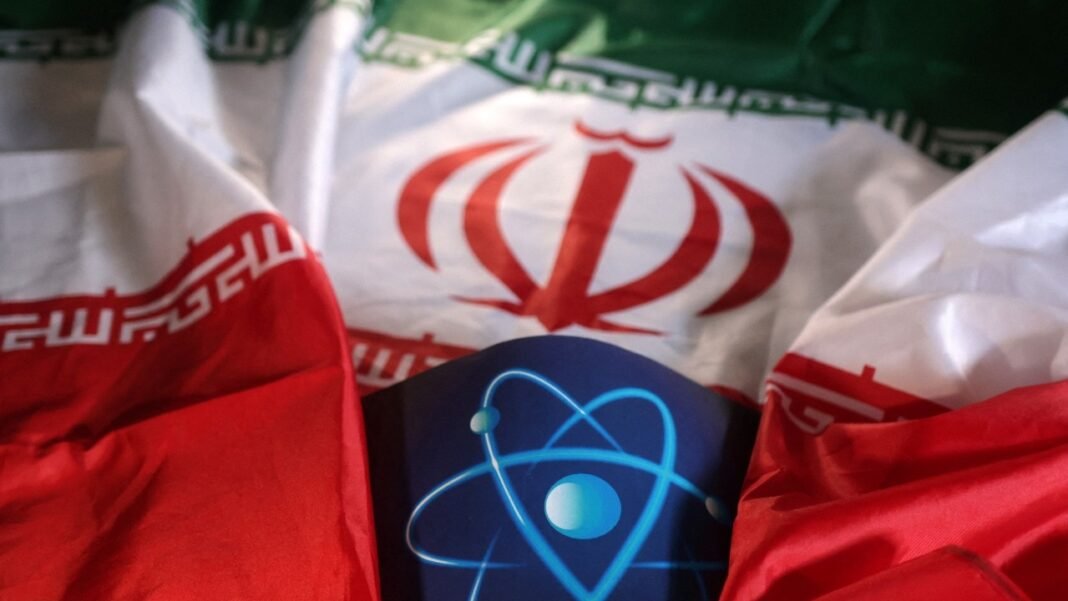

Iran’s parliament is currently considering the option of pulling out from the Nuclear Non-Proliferation Treaty (NPT). This move would allow Tehran to evade international constraints on nuclear weapons development and avoid mandatory global inspections of its nuclear program. The decision to review this action was prompted by perceived international bullying during the ongoing conflict, particularly in light of reported US intentions to seize Iran’s uranium and previous American strikes on Iranian nuclear facilities.
Iran’s Foreign Ministry spokesperson, Esmail Baghaei, questioned the utility of remaining in a treaty where international entities impede their rights and attack their nuclear sites. Baghaei emphasized that Iran has no intention of pursuing nuclear weapons. Reports suggest that Tehran is contemplating a broader strategic shift, which may include withdrawing from the NPT, abolishing its countermeasure law linked to the 2014 nuclear agreement, and supporting a new global framework with allies like Brics countries for peaceful nuclear technology advancement.
The US and Israel have initiated a sustained military campaign against Iran, alleging the development of weapons of mass destruction, a claim strongly refuted by Tehran. Last year, the US targeted key nuclear installations, prompting Iran to relocate approximately 400 kilograms of partially enriched uranium from these sites in the aftermath of the conflict. Despite ongoing accusations from Washington and Tel Aviv regarding Iran’s weaponization efforts, Iranian officials maintain that their nuclear program is entirely for peaceful purposes.
Former President Donald Trump is reportedly contemplating a risky military operation to seize Iran’s uranium reserves, which would represent a significant escalation in tensions. Although Iran’s officials affirm the peaceful nature of their nuclear activities, experts caution that exiting the NPT could reduce international monitoring, heighten regional instability, and lead to potential sanctions or diplomatic isolation. While a parliamentary review does not automatically equate to formal withdrawal, Iran could exit the treaty without requiring approval from other nations.
Since the US withdrew from the nuclear deal in 2018, Iran’s nuclear program has made substantial progress, with concerns raised by the International Atomic Energy Agency (IAEA) over the growing stockpile of highly enriched uranium. The IAEA warns that this stockpile could be adequate for manufacturing multiple nuclear weapons if further enriched.