

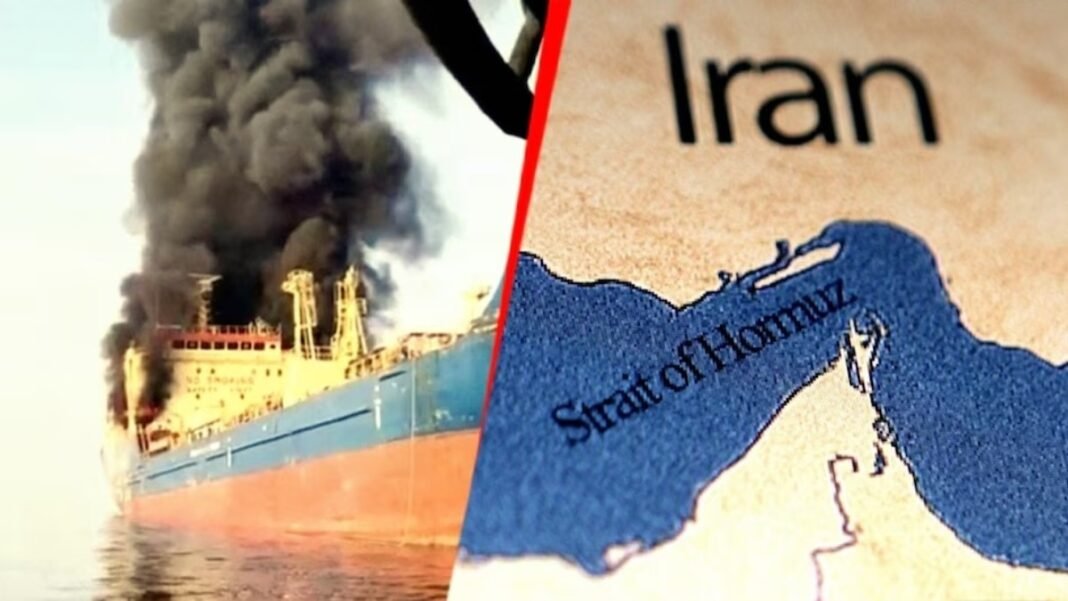

Amid the widening conflict in Iran, the energy crisis is escalating, particularly impacting Asia due to heavy reliance on Gulf supplies and the crucial Strait of Hormuz. In this scenario, India has emerged as a key pillar of energy security in the region.
Being the world’s fourth-largest refiner and fifth-largest exporter of petroleum products, India not only fulfills its own demand but also supports neighboring countries. Recently, India supplied approximately 38,000 metric tonnes of fuel to Colombo, as confirmed by Sri Lanka President Anura Kumara Dissanayake. Moreover, India continues to deliver fuel without interruptions to Bhutan and Nepal, both entirely dependent on India for their fuel needs. Plans are underway to dispatch an additional 40,000 metric tonnes of diesel to Dhaka by April.
Analyses by the Open Source Intelligence team at India Today, based on data from Indian Oil Corporation, Bharat Petroleum, the Ministry of Petroleum and Natural Gas, and Petroleum Planning and Analysis Cell, indicate that initial disruptions linked to the Strait of Hormuz have mostly been mitigated. The Ministry of Petroleum & Natural Gas in India has emphasized that Delhi has diversified its crude oil supply chain by sourcing from more than 40 countries. Presently, about 70% of India’s crude imports are sourced from regions outside the volatile Strait of Hormuz, reducing vulnerability to potential chokepoint risks.
India remains a net exporter of refined petroleum, supplying fuel to over 150 countries globally. This aligns with India’s Neighbourhood First policy, which is particularly crucial during the ongoing fuel crisis. Nepal and Bhutan, both reliant on India for fuel, have not experienced any disruptions. Official statements from these countries affirm the continuous and secure supply of fuel, meeting domestic demand effectively.
In Bangladesh, recent reports indicate that additional diesel shipments have arrived, totaling 15,000 tons, with plans for another 40,000 tons in April. The fuel is transported from the Numaligarh Refinery in Assam through the India-Bangladesh Friendship Pipeline to Parbatipur. This pipeline, which was halted during the 2024 unrest, resumed operations following the political transition in February.
President Anura Kumara Dissanayake of Sri Lanka expressed gratitude for the swift support from India as 38,000 metric tonnes of fuel reached Colombo, addressing nearly 45% of Sri Lanka’s immediate fuel shortfall. These coordinated efforts underscore a well-structured regional supply network where India plays a pivotal role in stabilizing the region amidst ongoing disruptions from the Gulf.
The energy landscape across South Asia reveals a significant disparity in sourcing patterns. While countries like Pakistan, Bangladesh, and Sri Lanka heavily rely on Gulf suppliers, India’s supply mix is more diversified, with only 54% sourced from the Gulf. Nepal and Bhutan, however, solely depend on India for their fuel requirements, highlighting a vulnerability in the region.
India’s Ministry of Petroleum and Natural Gas has reassured markets that crude oil inflows remain stable despite disruptions in the Strait of Hormuz. With supplies from over 41 global sources and increased volumes from the western hemisphere, India’s refineries are operating at full capacity, ensuring a steady crude supply for the next 60 days. The government affirms that there is no supply gap, demonstrating India’s resilience and ability to support neighboring countries during times of crisis.