

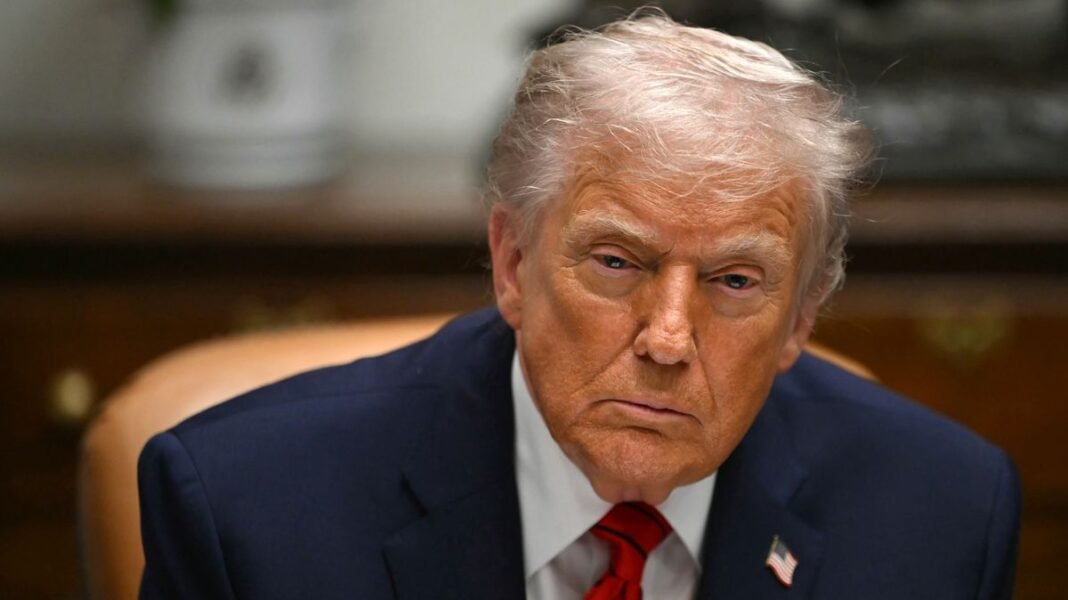

Donald Trump has made a comeback to the White House, promising a new era of authority, order, and achievement. However, his second term has been marred by a series of reckless actions, unfulfilled pledges, and self-centered behavior, indicating a presidency characterized by the disregard for the rule of law. With mounting challenges such as strained alliances, escalating domestic unrest, and an impending electoral test that could potentially end his tenure, Trump faces a tumultuous second year in office.
Since the beginning, Trump has governed in a manner that treats the presidency as a tool for personal gain rather than a responsibility to the public. Despite his rapid pace of decision-making, the fragility of his governance has become apparent. His use of executive orders at an unprecedented rate, erosion of institutions, and confrontational approach towards allies have raised concerns about his leadership style.
While Trump touts his accomplishments as strengths, critics view them as a sign of disdain for democratic norms. His claims of “ending wars” have been debunked, with his approach to global conflicts relying heavily on economic pressure and aggressive rhetoric, rather than sustainable peace agreements. Diplomacy under his administration has been reduced to superficial deal-making, leaving underlying tensions unresolved.
Internationally, Trump’s actions have damaged longstanding alliances cultivated over decades. His undermining of NATO and questionable commitment to collective defense have unsettled European nations and emboldened adversaries. The transactional nature of his foreign policy was highlighted by his controversial attempts to acquire Greenland, which were perceived as coercive and damaging to diplomatic trust.
Moreover, Trump’s intervention in Venezuela was characterized by overt power projection, bypassing international norms and asserting control over the country’s future. The unilateral operation to remove Nicolás Maduro was framed as a law enforcement measure but was widely seen as a violation of sovereignty and a display of forceful intervention.
On the economic front, Trump’s disruption of global trade agreements through contentious tariffs has failed to deliver the promised manufacturing resurgence and cost savings for American households. Instead, the tariffs have led to price hikes, supply chain disruptions, and economic instability. Public dissatisfaction with his economic policies is reflected in polls showing disapproval of his management of the economy, as job growth slows and unemployment rises.
In a series of ideological and economic purges, Trump has dismissed tens of thousands of civil servants and dismantled key government departments, weakening essential services and programs. His administration’s legislative agenda, including tax cuts and healthcare reductions, has faced criticism for exacerbating economic hardships and social inequalities.
The administration’s immigration policies have sparked controversy, with the enforcement approach resulting in mass deportations, community disruptions, and concerns about civil rights violations. The harsh crackdown on refugees and asylum seekers has heightened tensions and prompted backlash from within political circles.
One of the most contentious issues during Trump’s second term has been his handling of the Epstein files, where promises of transparency and disclosure have fallen short. Despite legal requirements for full disclosure, the Department of Justice under Trump’s leadership has withheld crucial information, raising suspicions of cover-ups and protecting powerful individuals linked to the case.
As Trump faces the challenges of 2026, including potential ruptures in international alliances and escalating domestic tensions, the looming midterm elections pose a significant threat to his presidency. Historically, midterms have punished the incumbent party, and Trump’s divisive policies, economic failures, and ethical controversies have further alienated voters. A possible shift in congressional control to the Democrats could lead to intensified investigations, legal challenges, and even impeachment proceedings against Trump.
Despite Trump’s confidence in his base and dismissal of impeachment threats, the changing political landscape and growing public discontent suggest a precarious future for his presidency. The year 2026 will test whether Trump’s unorthodox governing style and disregard for norms will withstand the scrutiny of a politically charged environment and potential legal consequences.