
This year commemorates a decade since voters nationwide participated in the EU referendum back in 2016.
Following a contentious campaign, the UK opted to depart from the European Union with a 52% to 48% split. Subsequently, Brexit has significantly influenced the political landscape, prompting the resignation of Conservative PM David Cameron and defining the administrations of Theresa May and Boris Johnson, who both strived to secure a departure agreement with the EU.
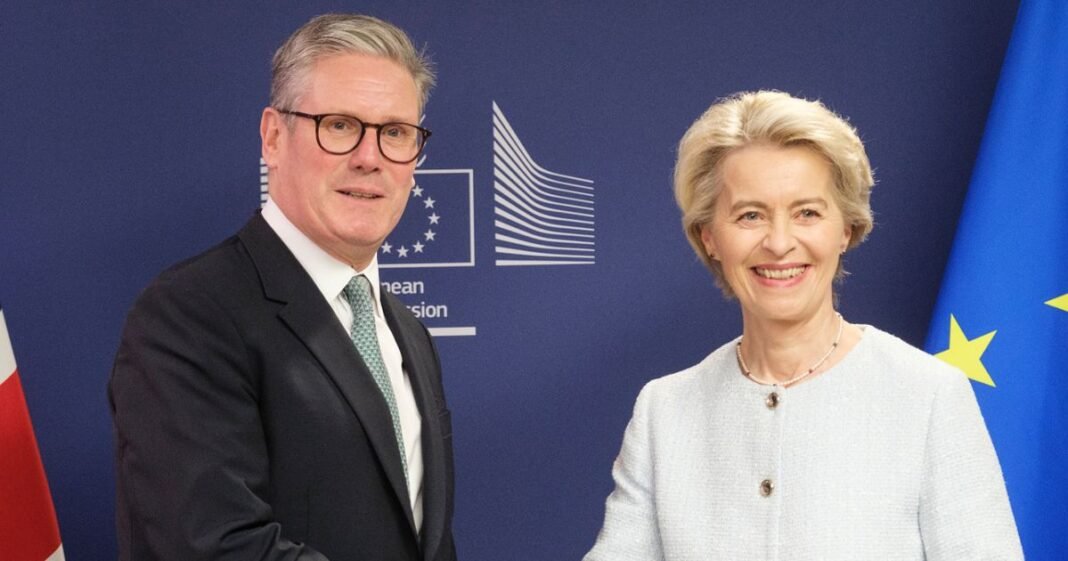
Presently, Keir Starmer is endeavoring to mend ties with the EU. During a foreign policy address at the close of the previous year, the Prime Minister emphasized the need for Britain to ensure its association with the EU benefits its citizens, acknowledging that while Brexit was a “just, democratic expression,” the manner in which it was marketed and executed was “simply flawed.”
He stated, “The Brexit verdict was fair and democratic, and I will always honor that. However, the way it was presented and carried out was simply incorrect. Outlandish pledges were made to the British populace and left unfulfilled. We are still grappling with the repercussions today.”
Recently, as a sign of improved ties with the union, the Government declared the UK’s reentry into the Erasmus+ initiative. This move will enable British students to pursue education abroad at European universities post-Brexit for the first time. Over 100,000 individuals in the UK could benefit from this program in 2027 alone, the inaugural year of its operation.
Nevertheless, Brexit remains