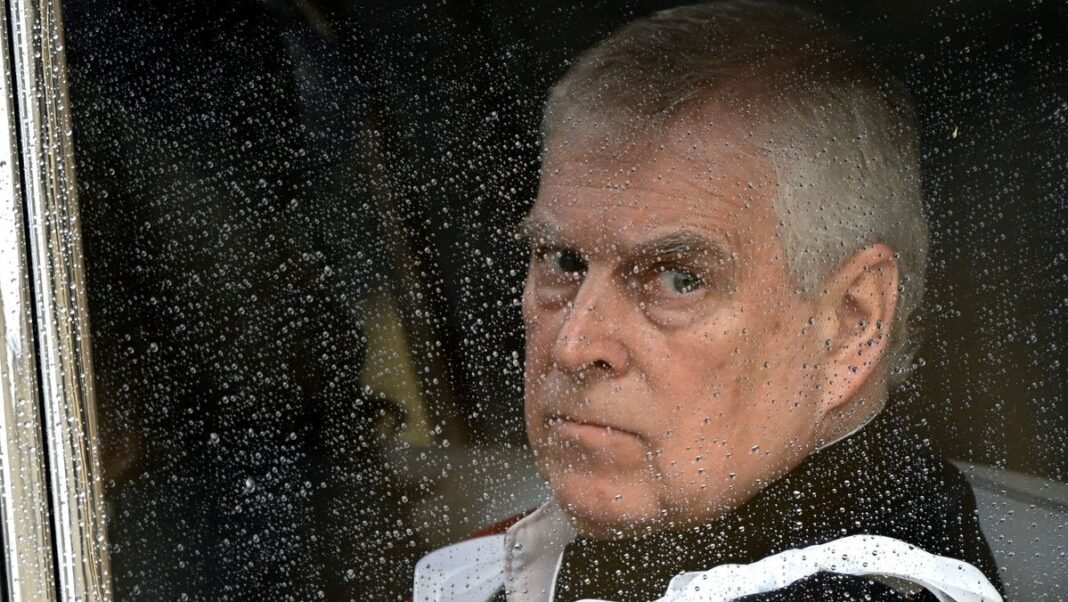

The financial affairs of the Royal Family have long been veiled in secrecy, with some aspects remaining undisclosed. The King’s brother, Andrew Mountbatten-Windsor, has enjoyed a lavish lifestyle in a 30-room mansion at the Royal Lodge in Windsor, paying a nominal rent of just £7.5 million for a 75-year lease.
In a similar fashion, Prince Edward, another royal sibling, has also secured a favorable arrangement with the Crown Estate for his residence in royal properties, blurring the lines between public and private ownership.
The Duke of Edinburgh, who inherited his title following his father’s passing, resides in the opulent 120-room Bagshot Park with the Duchess of Edinburgh. Initially leased for £5,000 annually, the rent increased to £90,000 after significant renovations funded by the Duke and the Crown Estate.
These revelations have drawn attention to the vast wealth of the royal family, sparking inquiries into the financial dealings of its members. The Public Accounts Committee (PAC) has initiated an investigation into the Crown Estate properties in light of recent controversies surrounding certain royals.
The committee’s preliminary findings have also shed light on the leasing agreements of other members, such as the Prince and Princess of Wales, who recently relocated to Forest Lodge on the Windsor estate. This scrutiny aims to ensure transparency and accountability in the management of taxpayer funds allocated to the monarchy.
The Sovereign Grant, which provides financial support for official royal duties, is just one of the sources of income for the King. Profits generated by the Crown Estate, a significant land portfolio distinct from the monarch’s personal assets, contribute to this grant, raising questions about the origins and usage of these funds.
The PAC’s actions signal a potential shift towards greater transparency in the financial operations of the Royal Family, prompting closer examination of expenditures and income sources.