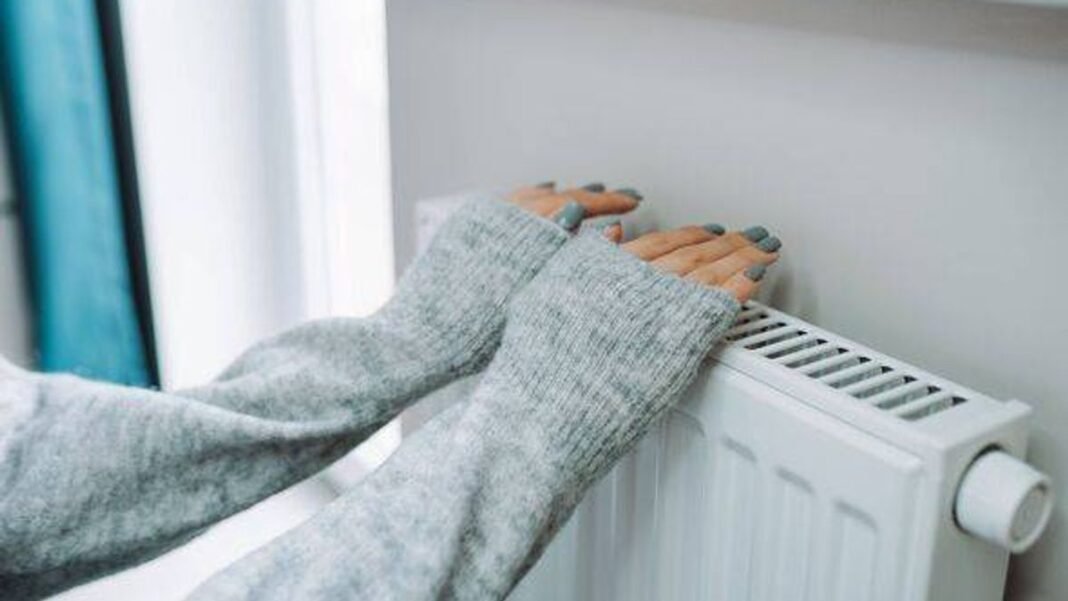

A British Gas energy specialist has shared tips on addressing cold spots in radiators, with the necessary tool costing just 97p. When a radiator exhibits cold spots, especially at the top, or emits gurgling sounds while heating up slowly, it likely needs to be bled. This process is relatively simple but requires the correct equipment, such as a radiator key obtainable for as little as 97p from Screwfix. Bleeding a radiator involves releasing any trapped air.
Before initiating the bleeding process, it is crucial to turn off the heating system. Ensure the radiator has completely cooled down to prevent any burns from hot water. Have an old towel and container ready to catch the water that will be released. To bleed the radiator, locate the small valve and turn it anti-clockwise using the radiator key. Peter Knowles, a technical repair engineer at British Gas, advises opening the valve slightly until a hissing sound is heard, indicating the escape of trapped air. Once water starts coming out, catch it in the container, then tighten the valve and proceed to the next radiator.
Overbleeding can reduce boiler pressure, so it’s important to avoid turning the valve excessively. If problems persist after bleeding, it may indicate a more complex issue requiring the expertise of a gas safe registered engineer. In a related energy-saving tip, British Gas smart energy engineer Jessica Rawstron recommends leaving the oven door open after cooking to utilize the residual heat, contributing to a warmer home environment.
Recent updates in energy bills have seen a rise in costs, with the average household paying around £1,758 annually for gas and electricity on direct debit. While the price cap limits unit rates and standing charges, the total bill remains dependent on individual energy consumption. Customers not on a fixed tariff fall under the price cap, which now stands at £1,711 yearly for pre-payment meter users and £1,894 for bill payment recipients.