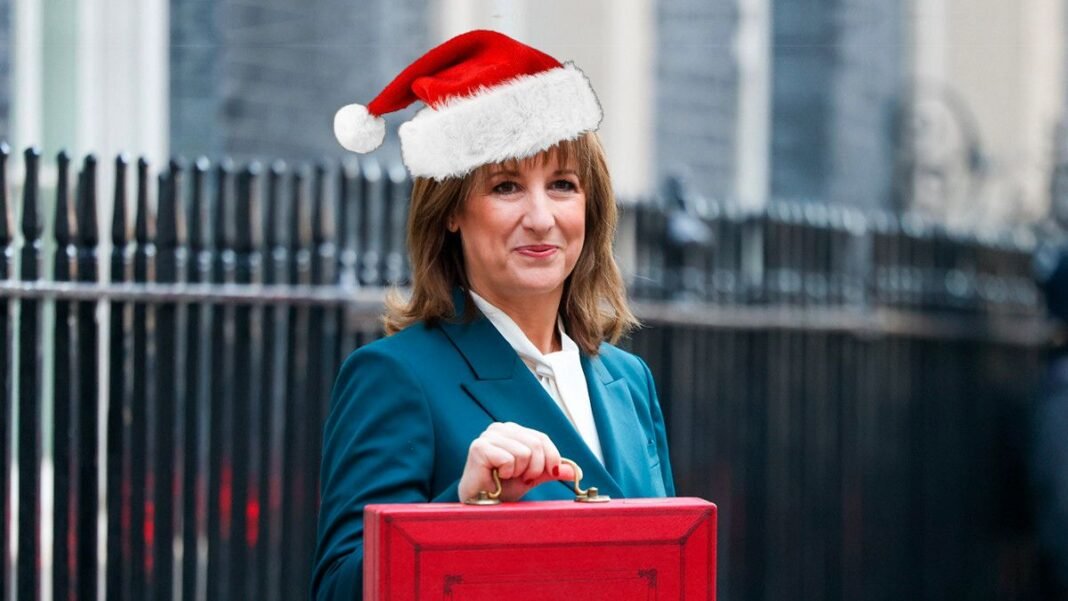

In a significant move during the latest Budget announcement, Rachel Reeves, a prominent figure in the Labour party, made a lasting impact on the lives of 450,000 underprivileged children in the UK. This action stood out in an otherwise challenging Budget by Reeves, the Chancellor of the Exchequer, who effectively addressed various economic issues. The Budget included measures such as a £150 reduction in household fuel bills, an increase in the minimum wage, and adjustments in rail fares and prescription charges, particularly benefiting working individuals and families.
The November 2025 Budget marked a pivotal moment for the UK Labour Government, highlighting a shift towards a more compassionate approach by abolishing the controversial two-child benefit policy previously implemented by the Conservative government. This move, which included eliminating intrusive eligibility tests, signifies a departure from past policies that were deemed callous and unfair. Despite this progress, Labour officials face an ongoing challenge to sway public opinion on the importance of supporting families in need.
The debate surrounding child benefits is crucial, especially considering that a significant portion of the affected children come from households with at least one working parent, dispelling misconceptions perpetuated by critics. The decision to address this issue reflects a deep-rooted commitment to social justice, supported by figures like Gordon Brown and other Labour members who have long advocated for change.
Reeves, previously hesitant about the financial implications, deserves recognition for championing the cause and transitioning from a cautious approach to a more proactive stance against child poverty. While some adjustments in tax thresholds may impact disposable income, overall living standards are projected to improve gradually under the new budget plan. This shift represents a departure from previous conservative policies and aims to enhance public welfare.
The Budget’s focus on equitable public spending has been welcomed by a majority of households, with 60% projected to benefit from increased government support compared to their tax contributions. The backlash from certain quarters, particularly those opposing benefits for working-class children and increased taxes for affluent homeowners, highlights the divisive nature of British politics. Ultimately, the Budget reflects a commitment to fairness and rectifying past injustices, despite potential challenges in the political landscape.
Kevin Maguire, an esteemed political commentator and Associate Editor at the Mirror, provides valuable insights into current affairs and policy developments. His extensive experience in journalism and political analysis offers a unique perspective on key issues impacting society.