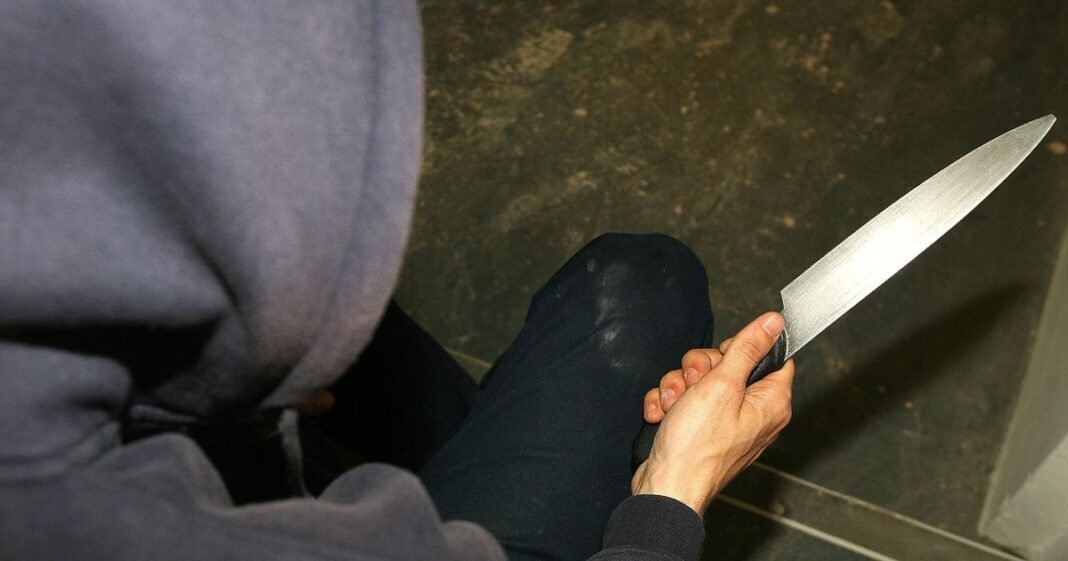

Knife-point robberies in areas severely impacted have decreased by 15% compared to June of the previous year, according to recent data. The Home Office revealed that more than 3,000 county lines networks have been dismantled, resulting in approximately 2,500 fewer individuals facing the threat of being robbed at knifepoint.
Moreover, efforts to combat drug trafficking, which often exploits children, have led to over 8,000 arrests. The data indicates that more than 4,000 young people and vulnerable individuals have received assistance to steer them away from criminal gangs.
Policing Minister Sarah Jones commended Labour’s commitment to reducing knife crime, emphasizing that the progress was a result of strategic planning and implementation.
Under the Government’s County Lines Programme, 3,042 county lines have been shut down, with 8,226 arrests made since July 2024. The Home Office reported the seizure of 923 knives and the initiation of 4,323 safeguarding referrals.
The Labour government vowed to halve knife crime within a decade, a promise that resonated with individuals like Pooja Kanda, who lost her son to a brutal attack. She expressed gratitude for the government’s efforts and highlighted the collaborative approach between authorities, advocates, and affected families in addressing youth violence.
Kate Wareham, strategic director of anti-knife crime organization Catch22, praised the Home Office’s progress in combating county lines operations and safeguarding vulnerable individuals at risk of exploitation.
In a targeted initiative, the Government launched the Knife-Enabled Robbery (KER) Taskforce in October 2024, focusing on seven high-risk areas, including London, Greater Manchester, the West Midlands, West Yorkshire, and the British Transport Police. These regions saw a notable 15% decline in knife-enabled robberies, from 16,067 to 13,633 offenses.